
 Donate
By Steven Perlman, DDS, MScD, DHL (Hon)
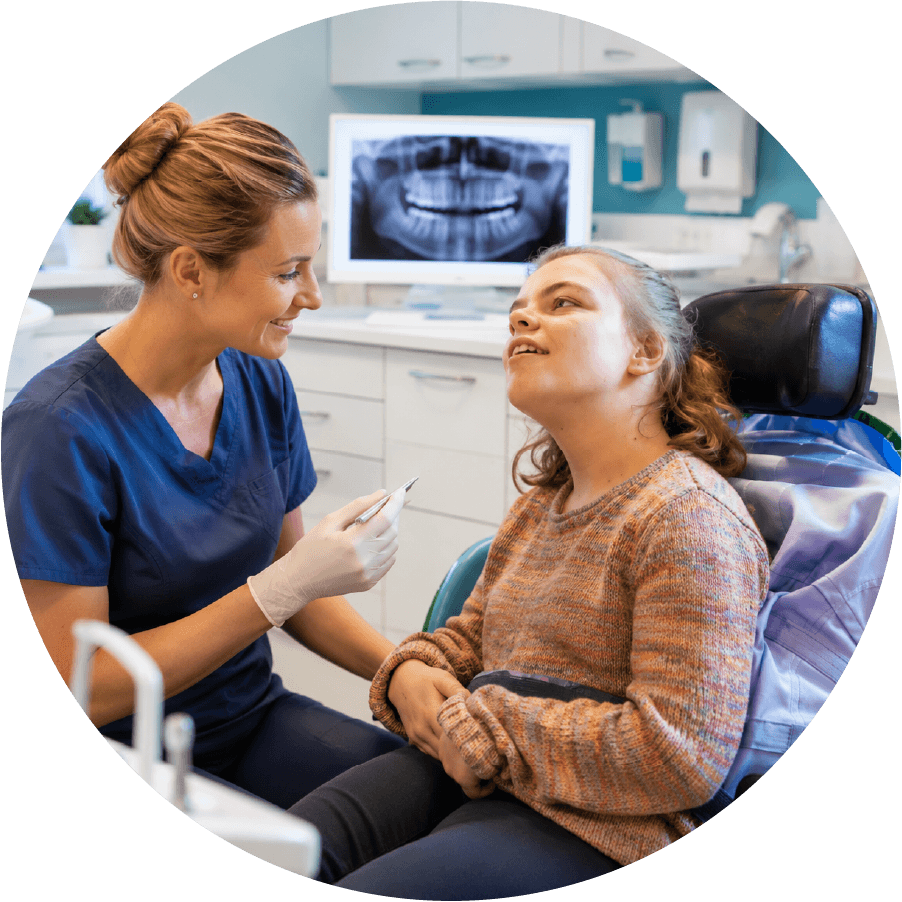
Access to quality oral healthcare remains one of the greatest unmet healthcare needs for people with disabilities. For dental professionals, helping close that gap does not always require a specialized practice. In my experience, nearly 90% of people with disabilities can and should be treated in a traditional dental office, although modifications may be necessary.
It begins with a willingness to adapt, improvise, listen, respect and plan.
I have spent more than 40 years treating children and adults with disabilities. My private practice was committed to caring for patients with disabilities throughout their lifespan. I am also a clinical professor of pediatric dentistry and served for more than 30 years as Global Clinical Director of Dentistry for Special Olympics.
So, what have I learned over my career as a private practitioner and academician working to increase access and educate dental professionals about treating patients with disabilities?
What are the myths, truths and practical strategies that can help clinicians provide care for all family members—including those with disabilities?
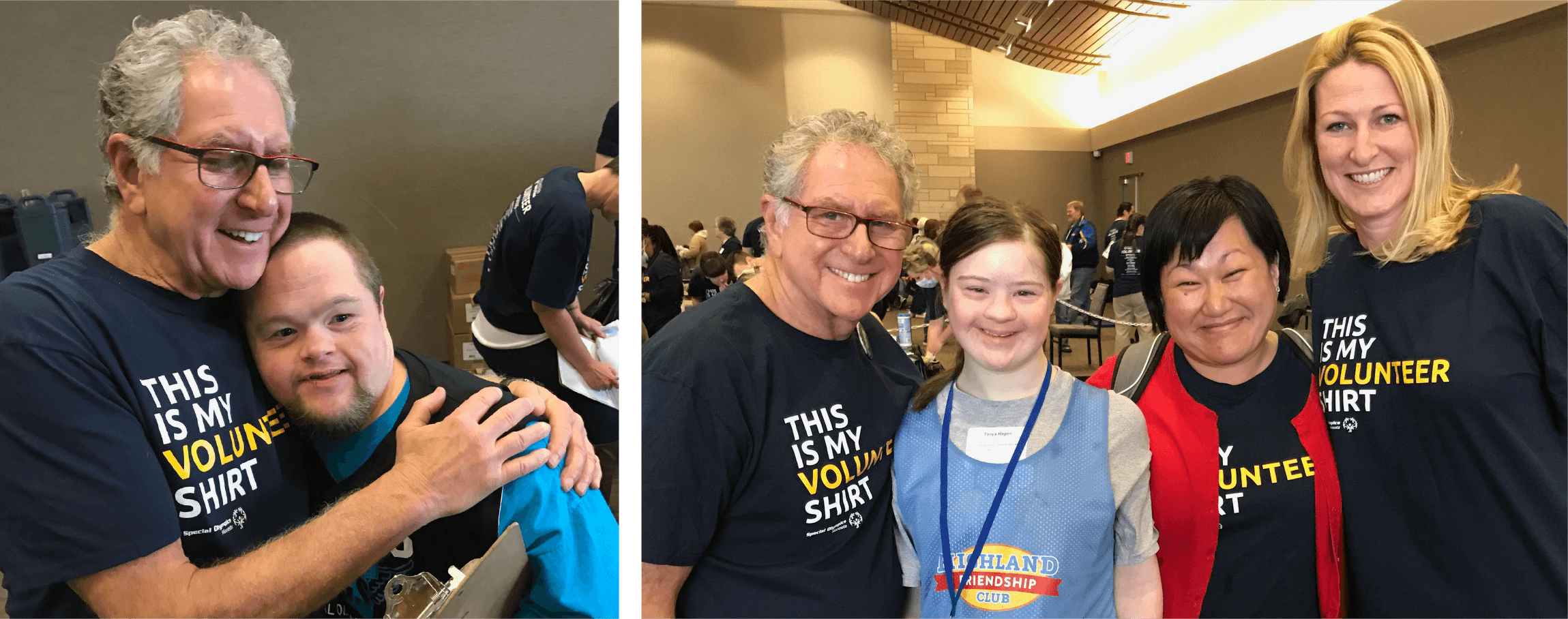
Access to and the ability to receive dental care was a serious problem when I entered the profession more than 40 years ago. Despite decades of advocacy by families, caregivers and healthcare professionals who have devoted their careers to making a difference, substantial barriers remain.
Parents of children with disabilities often experience anxiety simply trying to find a dental professional who is willing and able to care for their child.
Why has this situation been allowed to continue for so long?
In my experience, nearly 90% of people with disabilities could and should be treated in a traditional dental office, although some modifications may be necessary.
It begins with a willingness to adapt, improvise, listen, respect and plan—and to create a positive experience for both the patient and your dental team.
Not every dental practice can provide every form of behavior guidance or perform every procedure. However, nearly every dental practice can take meaningful steps to become more inclusive.
Education and training are important, but attitude and experience matter too.
Lack of clinical training, didactic education and experience with patients with disabilities have long been cited among the reasons dental professionals feel unprepared to provide care for this population.
Providers can obtain continuing education and clinical training to understand the basics and become familiar with the “tools of the trade” that may enable them to provide more advanced care.
But training alone is not enough.
The more patients with disabilities you treat, the more comfortable and competent you will become.
Finances are another significant barrier.
For many children and families, Medicaid is an important source of health and dental coverage. However, dentist participation in Medicaid varies considerably by state, and inadequate reimbursement has long been identified as one factor that can discourage provider participation—particularly when patients require additional appointment time, staff support or care coordination.
Access can become even more complicated in adulthood. Unlike children’s Medicaid dental benefits, states are not federally required to provide a minimum package of adult dental benefits, so coverage varies substantially from state to state.
For people with disabilities who already struggle to find providers prepared to meet their needs, these financial and coverage barriers can make establishing a lifelong dental home even more difficult.
The CDC estimates the current autism rate in the United States to be 1 in 31 children aged eight years old; therefore you will see many children on the spectrum in your practice.
That means dental professionals should expect to encounter many patients on the autism spectrum during their careers.
There is a saying:
“If you’ve met one person with autism, you’ve met one person with autism.”
Every individual on the autism spectrum has a unique combination of strengths, challenges, preferences and traits.
Parents of children with disabilities spend their lives advocating for inclusion. As dental professionals, we should try to treat every patient as we would want our own family members to be treated.
Successful care often begins with preparation, communication, patience and a willingness to modify the usual routine.
One of the most valuable things a dental team can do is learn about the patient before the initial appointment.
Pre-visit questionnaires and conversations with patients and caregivers can help the team understand what may make the appointment successful.
Useful questions include:
Do not assume that a diagnosis tells you everything you need to know.
Two people with the same diagnosis may have completely different communication styles, abilities, sensitivities and support needs.
The patient and caregiver are often the dental team’s best sources of practical information. Listen to them.
Whenever possible, schedule the patient with the same hygienist, assistant and dentist. Use the same treatment room. Keep the sequence of events predictable and explain changes before they occur.
Some patients may benefit from:
For a patient with sensory sensitivities, something as simple as changing rooms, adjusting the overhead light or introducing an unfamiliar sound can turn an otherwise manageable visit into an overwhelming experience.
Consistency should be the starting point, but teams also need to remain flexible.
What works for one patient may not work for another. What worked at the previous appointment may need to be adjusted at the next one.
Besides lack of training and experience, the literature identifies patient behavior and difficulty cooperating with dental treatment as significant barriers to care for some people with disabilities.
A variety of behavior-guidance strategies may help the clinician provide necessary treatment. Desensitization may be a useful starting point for some patients.
Approaches may include:
The appropriate approach depends on the individual patient, their needs, their ability to communicate and cooperate, the treatment being provided, and the clinical circumstances.
If basic behavior-guidance techniques are not successful, advanced approaches may be necessary. Depending on the patient and the procedure, these can include protective stabilization, sedation or general anesthesia.
As Ray Lyons has written:
"Clinical dental treatment is the most exacting and demanding medical procedure that persons with IDD undergo on a regular basis throughout their lifetime.
Dental treatment frequently requires the controlled use of instruments in close proximity to the face, airway and highly innervated oral tissues. For some patients, remaining still enough for treatment can therefore be a matter of safety as well as cooperation."
Oral healthcare is medically necessary healthcare.
In my opinion, medical immobilization/protective stabilization is the safer alternative to sedation and general anesthesia.
It is extremely important to know that MI/PS is a behavior modification technique that you may need to gain control of a situation, but as behavior becomes cooperative the immobilization is released. A weighted blanket may also be used to calm an anxious or pre-cooperative patient.
Awareness of these strategies can help clinicians succeed in many cases, but there is another lesson I have learned repeatedly:
The more patients with disabilities you see, the more comfortable you will become.
And the more comfortable and competent you become, the more rewarding your practice can be.
We cannot expect a relatively small number of specialists to provide all of the dental care needed by people with disabilities.
Pediatric dentistry is an age-defined specialty, and the transition from pediatric to adult-centered dental care can be especially difficult for patients with disabilities and other special healthcare needs. Without an appropriate adult dental home, continuity of care can be disrupted just when lifelong preventive and restorative care remains essential.
That is why the treatment and care of people with disabilities must increasingly take place in local communities.
The responsibility falls on the entire dental profession to provide comprehensive, competent and compassionate care.
If not you, then who?

Yes. Dr. Perlman estimates that nearly 90% of people with disabilities can be treated in a traditional dental practice, although some patients may need modifications to the environment, schedule, communication style or treatment approach.
Contact the patient or caregiver before the appointment to learn how the patient communicates, what helps them remain calm, whether they have sensory sensitivities, and what has worked during previous healthcare visits. Consistency, visual supports, shorter appointments and introductory visits can also help.
Begin with individualized behavior-guidance and desensitization strategies whenever appropriate. If those approaches are unsuccessful or the patient's needs require more advanced management, options may include protective stabilization, sedation or general anesthesia. The choice should be based on the individual patient's clinical needs, safety, risks and benefits.
Barriers can include inadequate provider training and experience, difficulty locating an accessible dental office, behavioral or sensory challenges, insurance limitations, reimbursement, transportation and difficulty transitioning from pediatric to adult dental care.