
 Donate
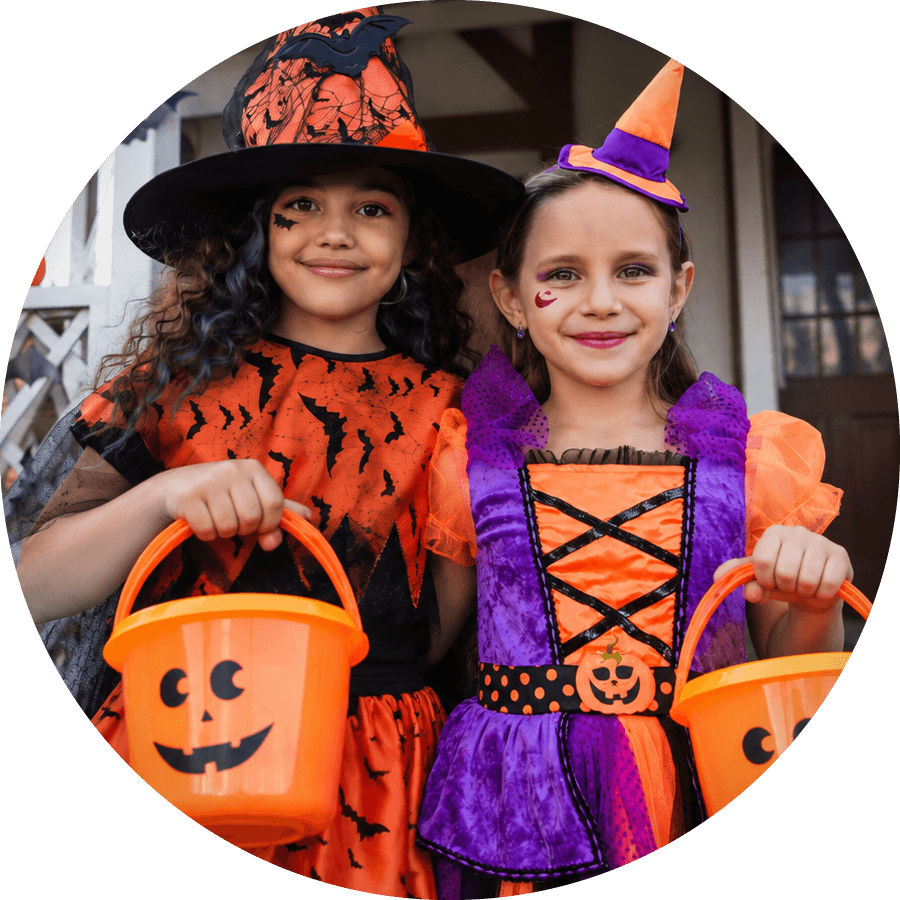
It's Halloween night. Your little goblins have spent hours walking the neighborhood, collecting a treasure trove of candy. They're tired, sweaty, overstimulated and running on pure excitement. Now they're sitting on the living room floor, proudly sorting through their hard-earned loot.
The last thing they want to hear? A lecture about sugar.
But before they tear into those sour gummies and sticky caramels, there's something you should know: Some of the worst Halloween candies aren't necessarily the ones with the most sugar. How sticky or acidic they are—and how often your child snacks on them—can make a big difference in their risk for cavities.
And if you're already dreading the battle over which candies to keep and which to toss, we have a fun activity that could make those decisions easier. Your child could even win $100!
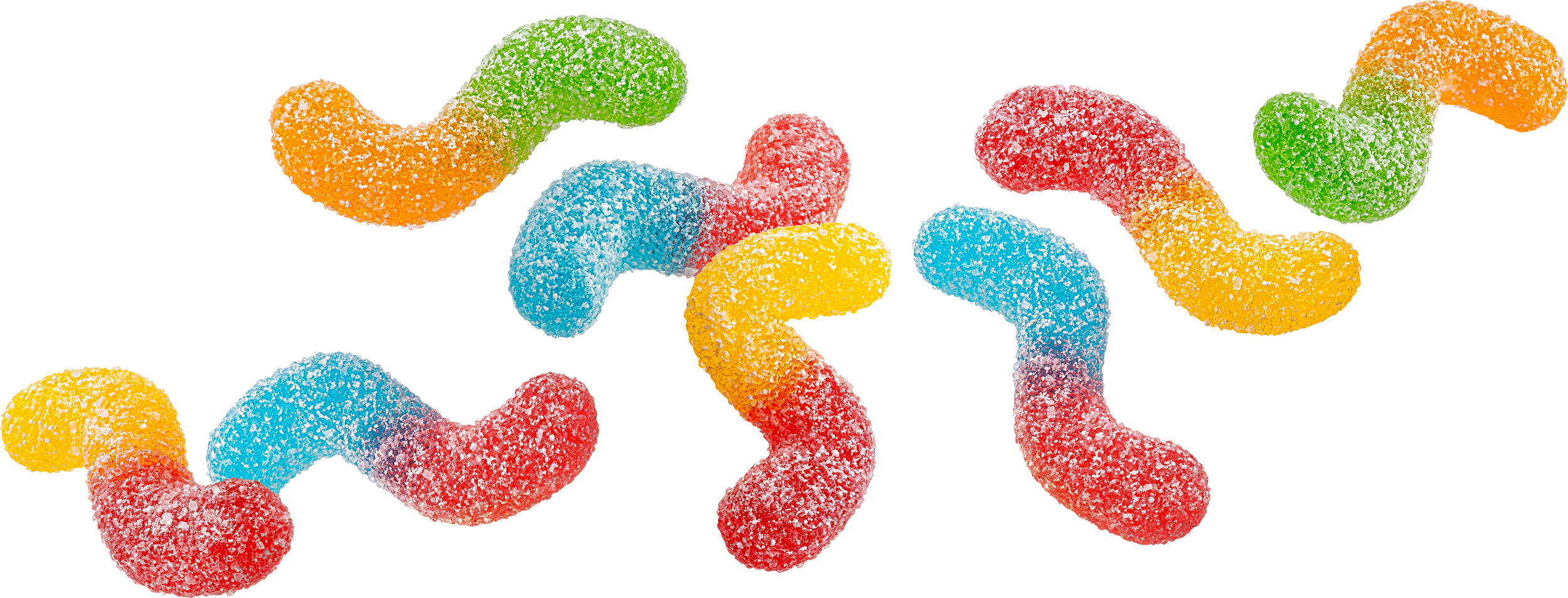
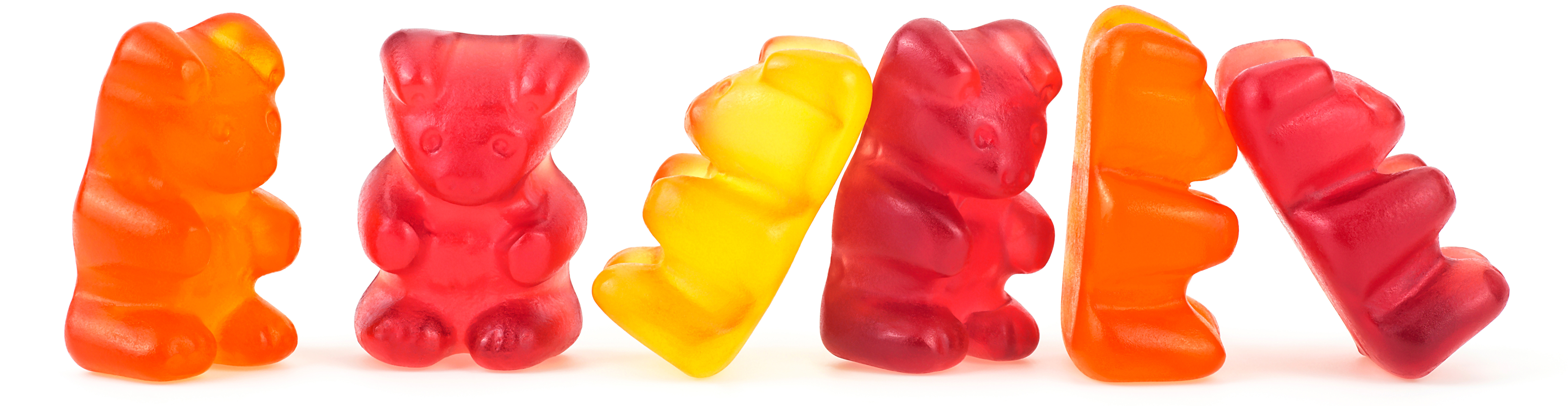
If Halloween candy had a most-wanted list, sour gummies would be near the top. These colorful, mouth-puckering treats combine three characteristics that make them especially troublesome for teeth.
They're sour. Many sour candies contain acids, such as citric acid, that can directly weaken tooth enamel. Unlike the acids produced by bacteria after eating sugar, these acids are already present in the candy.
They're sweet. Bacteria in your mouth feed on sugar and produce acids that attack tooth enamel. Repeated acid attacks can eventually lead to cavities.
They're sticky. Gummy candies, taffy, caramels and other chewy treats can cling to teeth long after the candy is gone. They can work their way into the tiny pits and grooves of back teeth, where cavities commonly develop, and lodge between teeth, where toothbrush bristles have trouble reaching.
That's why thorough brushing and flossing before bedtime are especially important after a night of Halloween treats. Even if your exhausted little ghost wants to crawl straight into bed, removing leftover candy and plaque is a must. If they've just eaten highly acidic sour candy, have them rinse with water and allow time before brushing.
Some chewy candies, including taffy and caramels, can pull on dental restorations. If your child has dental sealants—the thin protective coatings applied to the chewing surfaces of back teeth—especially sticky treats are worth approaching with caution. Sealants that have become loose may be dislodged and need to be repaired or replaced.
Hard candies, including Jolly Ranchers and jawbreakers, present another problem. Biting down on them can chip or crack teeth and damage fillings or other dental work. Sucking on them for long periods also keeps sugar in contact with teeth.
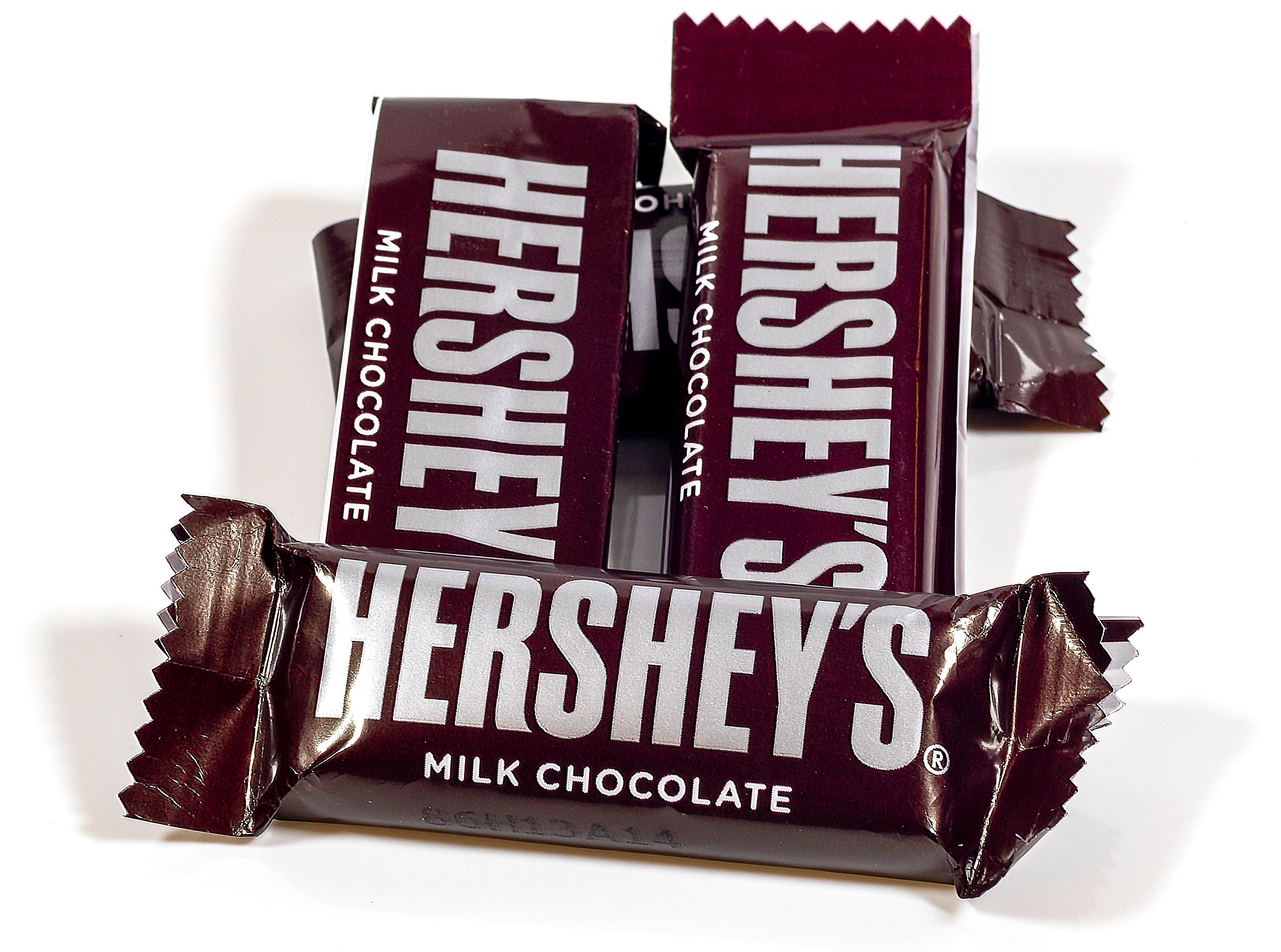
What about chocolate? Plain chocolate is generally a better choice because it melts and clears from teeth more easily than sticky candy. It's still sugary, of course, but it doesn't linger in the same way as a gummy worm or caramel.
Here's something many parents don't realize: When it comes to cavities, how often children eat candy can be just as important as what they're eating.
Every time your child eats something containing sugar or certain starches, bacteria in their mouth can produce acids that weaken tooth enamel. Fortunately, saliva helps neutralize those acids, wash away food particles and replace minerals lost from enamel.
But saliva needs time to do its job.
Think about a typical family dinner. Everyone sits down, eats their meal and eventually leaves the table. Eating stimulates saliva production, and once the meal is over, saliva can continue working to neutralize acids and help teeth recover.
Now imagine your child spending the afternoon grabbing a handful of Halloween candy, then some crackers, then another piece of candy, followed by a few chips. Each new snack containing fermentable carbohydrates can trigger another round of acid production. Even though their mouth continues making saliva, those repeated exposures give teeth less uninterrupted time to recover.
This is why grazing on candy and starchy snacks throughout the day can be especially harmful to teeth.
A better approach? Let children enjoy a few favorite treats with or shortly after a meal, then put the candy away until another planned treat time. Between meals, offer water and tooth-friendly snacks such as cheese or crunchy vegetables.
The goal isn't to eliminate every sweet treat. It's to give teeth a break between them.
Now comes the tricky part. How do you convince a child who just walked two miles collecting candy that some of their hard-earned treats aren't worth keeping?
Let them figure it out for themselves!
Our free My Smile Matters Rate Your Candy activity sheet encourages children to become candy detectives. They'll examine their Halloween haul and evaluate which treats are the biggest threats to their teeth based on sugar content, stickiness, acidity and other characteristics.
Instead of being told which candy they can't have, children get to use what they've learned to make their own choices.
And there's an extra incentive: Five participants will each win $100!
Download the activity sheet and find contest details at MySmileMatters.org.
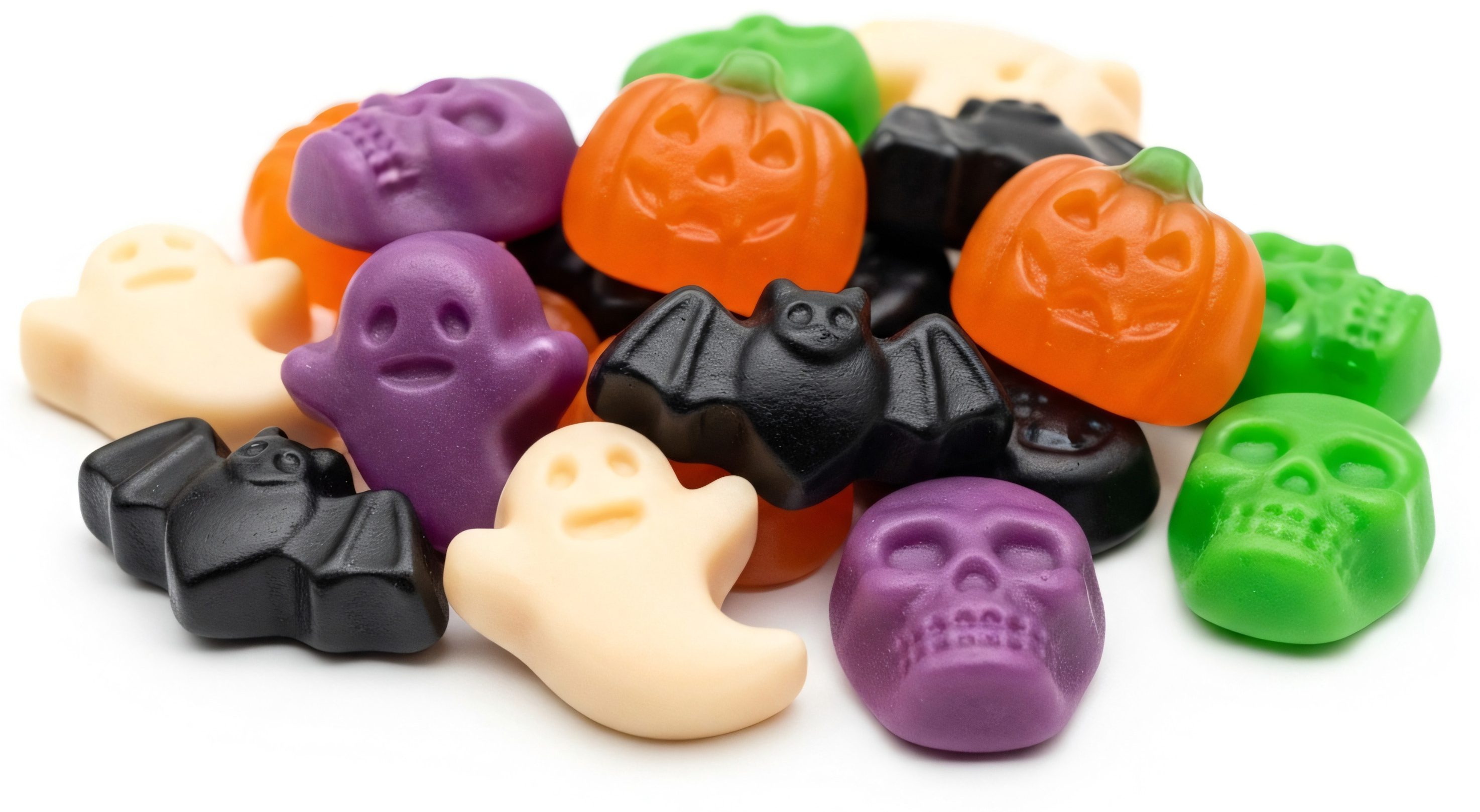
If your little goblins aren't quite ready to part with their stickiest, sourest treasures, try offering something in exchange.
Whatever approach you choose, keep it positive. The goal isn't to make children feel guilty about enjoying candy. It's to help them develop healthy habits and understand why their choices matter.
Parents aren't the only ones who can make Halloween healthier. Think about the treats you're handing out to trick-or-treaters in your own neighborhood.
If sticky, sour candies are the treats you'd rather your children avoid, why send other kids home with them?
Fortunately, you don't have to give up the fun of handing out Halloween goodies. There are plenty of treats and surprises kids will be excited to find in their bags.
Better candy choices include:
Fun alternatives to candy include:
Here's a fun idea: Pair a colorful toothbrush with a miniature chocolate bar, a pack of sugar-free gum or a sugar-free lollipop. Kids still get something sweet, along with a useful reminder to take care of their smiles. (You'll be surprised by how happy some kids are to get a new toothbrush.)
Remember to choose age-appropriate items and avoid small toys or hard candies that could pose choking hazards for younger children. If offering food, consider potential allergies.
Whether you're handing out treats or helping your own children sort through their Halloween haul, small choices can make a big difference in keeping their smiles healthy.
Halloween should be about costumes, neighborhood adventures and happy memories, not worrying about every piece of candy your child eats.
A few simple habits can help protect their teeth:
And remember, a little Halloween candy doesn't have to be frightening. The goal is moderation, good oral hygiene and helping children learn to make choices that protect their smiles long after the costumes are put away.
Ready to put your child's candy knowledge to the test? Visit MySmileMatters.org to download our free Rate Your Candy activity sheet and learn how to enter for a chance to win $100!

What is the worst Halloween candy for teeth?
Sticky, sour candies such as sour gummies are among the worst choices because they combine sugar, acidity and a texture that can cling to teeth. Frequent consumption increases the risk of tooth decay.
Is chocolate better for teeth than gummy candy?
Generally, yes. Plain chocolate tends to melt and wash away more easily than gummy or chewy candy. However, chocolate still contains sugar and should be enjoyed in moderation.
Can sticky candy damage dental sealants?
Very sticky or chewy candies can potentially dislodge dental sealants. If you suspect a sealant has been damaged or lost, ask your child's dentist to check it.
Is it better to eat Halloween candy all at once or throughout the day?
It's generally better for teeth to enjoy a reasonable portion with or shortly after a meal rather than snacking on candy repeatedly throughout the day. Frequent sugar exposure gives cavity-causing bacteria more opportunities to produce harmful acids.